Where can I get my brakes checked in Nashville?
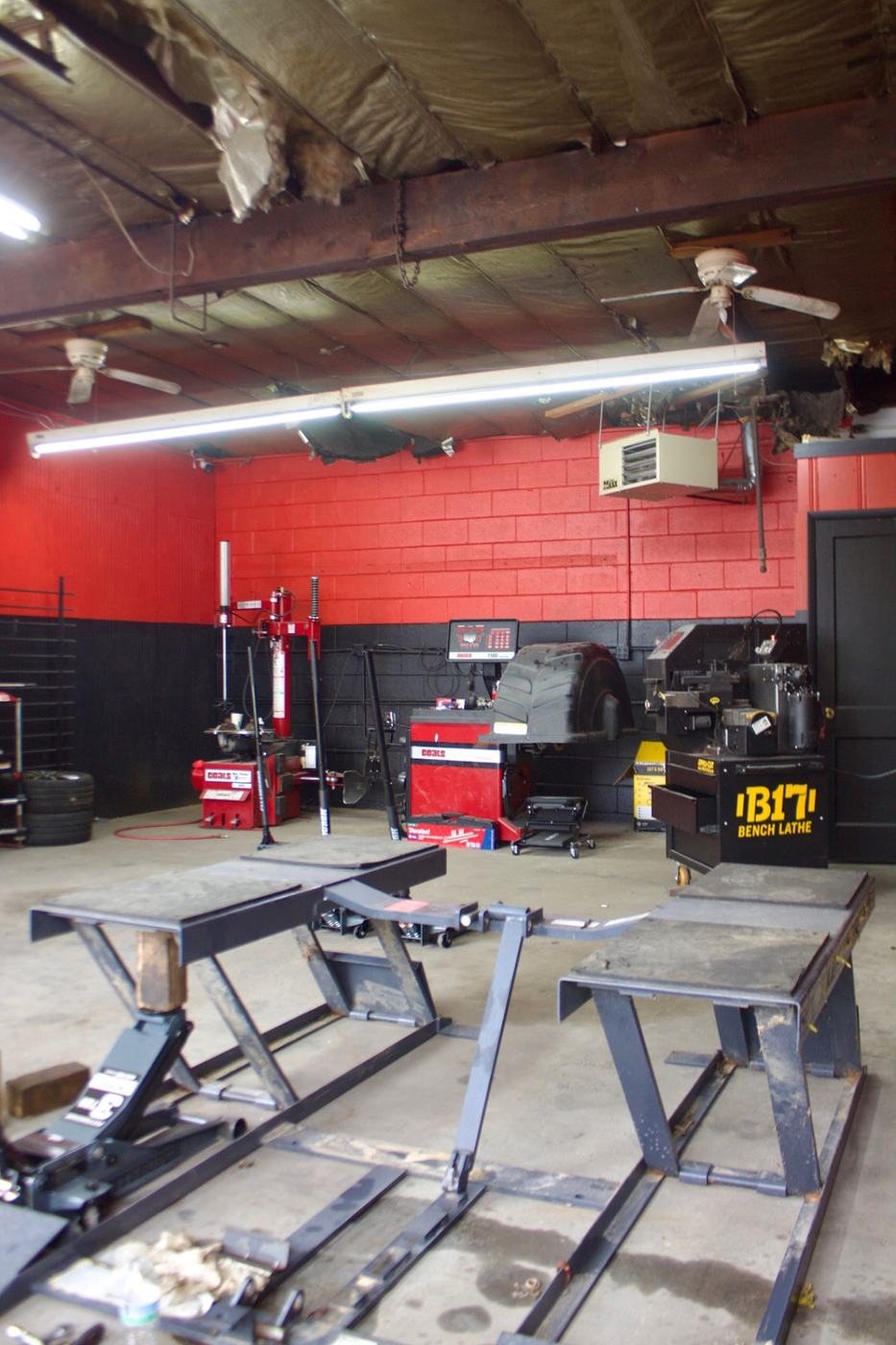
Auto Pro Services inspects brakes at our Nashville shop on Gallatin Pike. A brake inspection includes measuring remaining pad material, checking rotor thickness and surface condition, inspecting hoses and lines for cracks or leaks, testing caliper movement, and checking brake fluid condition.
You get the actual measurements, in millimeters, along with the manufacturer's minimum. That is the difference between being told you need brakes and being shown why.
Signs you need brake work
High-pitched squeal
Most pads have a wear indicator that contacts the rotor and squeals when material runs low.
Grinding
Metal on metal. The friction material is gone and the rotor is being damaged with every stop.
Pulsation in the pedal
Usually rotor thickness variation, felt as a shudder through the pedal or steering wheel when braking from speed.
Soft or sinking pedal
Air in the lines, a fluid leak, or a failing master cylinder. This one should not wait.
Pulling to one side
Often a sticking caliper or a collapsed brake hose on one corner.
Longer stopping distance
Glazed pads, contaminated friction surfaces or a brake fluid problem.
What we repair
Brake pads and shoes, rotors and drums, calipers and caliper hardware, wheel cylinders, brake hoses and steel lines, master cylinders, parking brake cables, and brake fluid service. We also address ABS faults that trigger a warning light or affect braking behavior.
Hardware matters more than most people expect. Sticking slide pins and worn clips cause uneven pad wear and premature rotor damage, so hardware gets cleaned, lubricated or replaced as part of a pad job rather than reused blindly.
Resurface or replace rotors?
A rotor can be resurfaced when it is thick enough to stay above the manufacturer's minimum after material is removed. That is a real measurement, stamped on the rotor hat, not a judgment call.
If a rotor is already near minimum, deeply grooved, cracked or heat-checked, it gets replaced. A resurfaced rotor that is too thin runs hotter, warps faster and undermines the new pads you just paid for.
Brake fluid: the part people skip
Brake fluid absorbs moisture from the air over time. Wet fluid boils at a lower temperature, which is how a pedal goes soft during a long downhill or repeated hard stops, and moisture corrodes ABS components and caliper bores from the inside.
We test fluid condition during a brake inspection and recommend a flush when the readings call for it, generally every few years depending on your vehicle and how it is driven.
What affects brake repair cost
Which axle
Front brakes do most of the stopping and usually wear first; rear brakes may be discs or drums.
Parts quality
Ceramic, semi-metallic and organic pads differ in cost, dust, noise and life.
Extent of damage
Catching worn pads early means pads only. Waiting for grinding usually adds rotors.
Seized components
Corroded hardware, calipers or bleeders add labor time.
Brake Repair FAQs
- How often should brakes be inspected?
- A good habit is at every oil change, or roughly twice a year. Have them checked sooner if you hear squealing or grinding, feel a vibration when braking, or notice the pedal traveling farther than it used to.
- How long do brake pads last?
- It varies widely with driving style and conditions. City driving with frequent stops wears pads faster than highway miles. A measurement is the only accurate answer for your vehicle.
- Is it safe to drive with grinding brakes?
- No. Grinding usually means the friction material is gone and metal is contacting the rotor. Stopping distance increases and the repair cost grows every day you keep driving on it.
- Do you replace pads and rotors together?
- Only when the rotors need it. If rotor measurements are within specification and the surface is in good condition, pads alone are appropriate.
Next step: talk to the shop
Auto Pro Services is at 4013 Gallatin Pike, Nashville, TN 37216. Call with your year, make and model and describe what the vehicle is doing — we will tell you what testing is involved before you come in.
Call (615) 753-5150