What we check
Brakes
Pad and rotor measurements, hoses, lines, calipers and fluid condition.
Tires
Tread depth at multiple points, wear pattern, age, pressure and sidewall condition.
Steering and suspension
Joints, bushings, dampers and ride height checked for play and leaks.
Fluids
Level and condition of engine oil, coolant, brake, transmission and power steering fluid.
Belts, hoses and leaks
Cracking, glazing, weeping seals and any active leak located.
Electrical
Battery load test, charging output, and exterior lighting.
Scan
Stored and pending codes plus emissions readiness monitors.
Pre-purchase inspections
A pre-purchase inspection is the cheapest step in buying a used car. We look for evidence of collision repair, frame or structural damage, active leaks, worn suspension, brake and tire life remaining, and stored codes that a seller may have recently cleared.
Cleared codes are worth a paragraph of their own: if the emissions readiness monitors are incomplete, the computer was reset recently. On a car being sold, that is worth asking about.
Before a long trip
Cooling system condition, tire age and tread, brake life, belt condition, battery capacity and fluid levels are the items that strand people far from home.
Checking them before a drive to the beach or up through the mountains costs an hour and avoids the version of the trip where you are looking for a shop in an unfamiliar town.
What you get afterward
A clear list of findings organized by urgency: items that affect safety and should be addressed now, items that will need attention within a few months, and items that are simply worth monitoring.
Measurements are included where they exist — pad thickness, tread depth, battery capacity — so you can compare against the same numbers next time rather than relying on someone's judgment twice.
Inspection is not a sales pitch
The point of an inspection is information. Plenty of inspections end with us telling a customer the vehicle is in good shape and nothing is needed.
When work is needed, you decide the order and timing. Findings are yours to take anywhere.
What affects the cost
Scope
A quick safety check is shorter than a full pre-purchase inspection with a road test and scan.
Vehicle type
Larger trucks and four-wheel-drive vehicles have more components to check.
Road test
Some complaints require extended driving to evaluate.
Additional testing
Compression or cooling system testing can be added when findings suggest it.
Vehicle Inspections FAQs
- Does Tennessee require an annual vehicle safety inspection?
- Requirements vary by county and change over time, so check the current rules for where your vehicle is registered. Our inspections are condition assessments for your own information rather than a state compliance service.
- How long does a pre-purchase inspection take?
- Generally around an hour, depending on the vehicle and whether a road test and diagnostic scan are included.
- Can I bring a car I am thinking about buying?
- Yes, with the seller's permission. Call the shop first so we can schedule the time to do it properly.
- Will you tell me what is urgent versus what can wait?
- Yes. Every finding is sorted into safety items, near-term items and things to monitor, with measurements where they apply.
Next step: talk to the shop
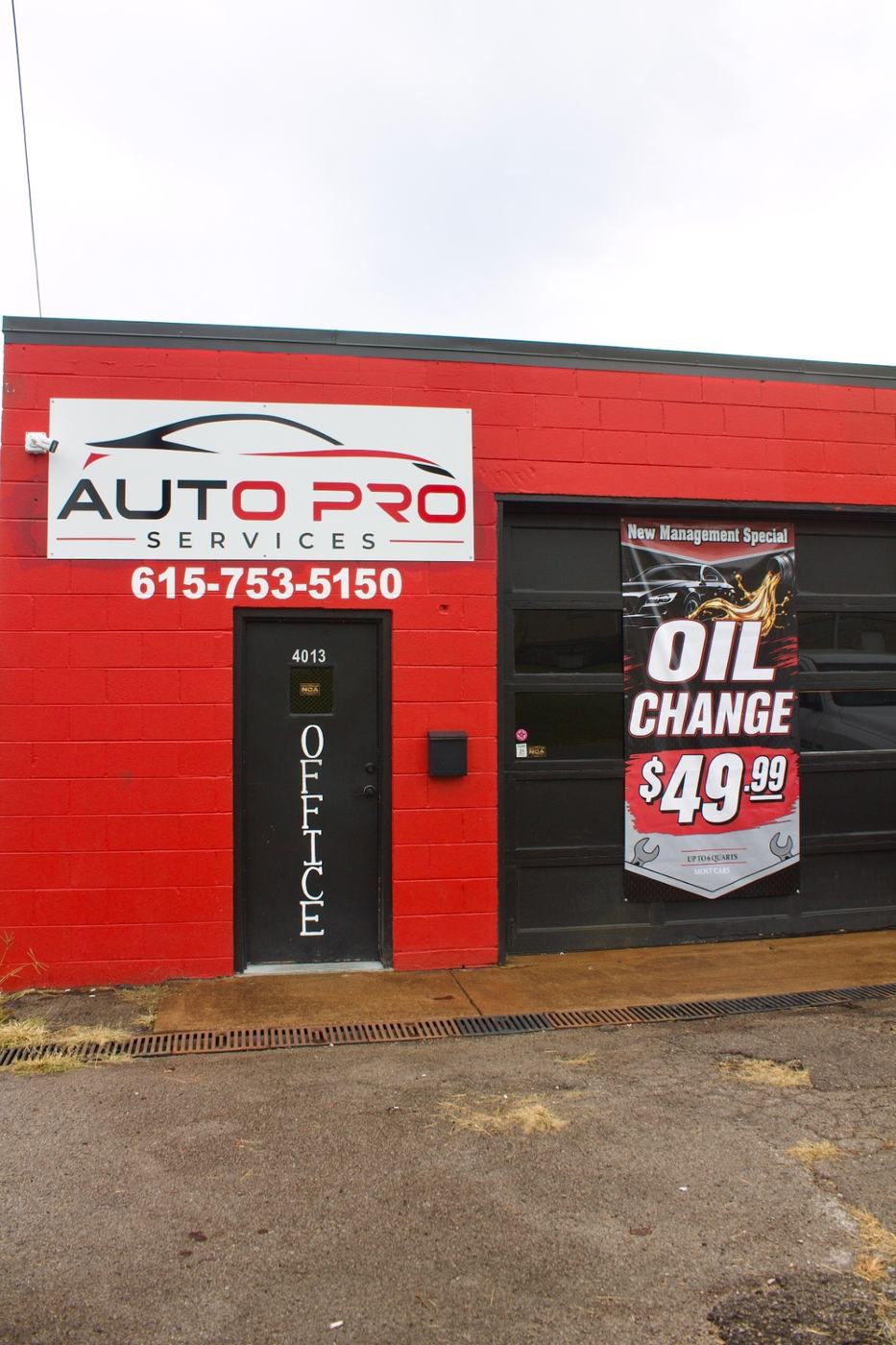
Auto Pro Services is at 4013 Gallatin Pike, Nashville, TN 37216. Call with your year, make and model and describe what the vehicle is doing — we will tell you what testing is involved before you come in.
Call (615) 753-5150